1. Walk the site safely
Crews observe from a safe distance and check air and surroundings before entering. They photograph labels and the spread of the release.
Stanley, WI · Chippewa County
What happens after the fire department clears a hazmat scene in Stanley? The site still needs cleaning. Call (877) 812-4220 for containment, removal, surface cleanup and records for your insurer.
If anyone is in danger, call 911 first. For a suicide crisis, call or text 988.
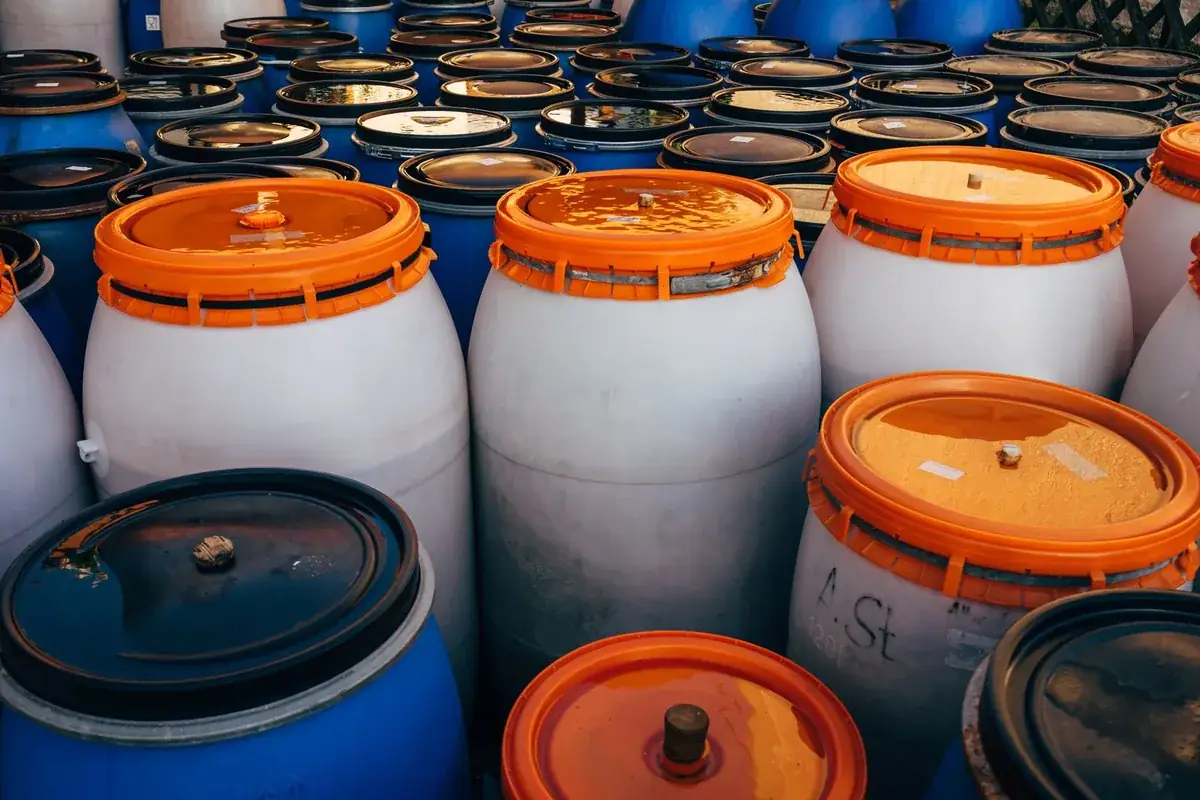
Hazmat equipment cleaning is the decontamination of tools, gear, vehicles and machinery that touched a hazardous material. Items that cannot be cleaned to a safe condition are packed and disposed of.
After a release at your Stanley site, you get the crew, the protective equipment and the containers to put things right. Why choose Stanley Biohazard Cleanup Help in Chippewa County? Discretion, documentation and a site that is safe to use again.
Chippewa County has a Relatively Low river flood risk rating from FEMA, but a leak near a ditch or storm drain can still carry hazardous materials off a property. July highs in Stanley average about 80 degrees, which is milder, but old containers can still crack and leak with age and weather.
What hazmat cleanup covers:
Crews observe from a safe distance and check air and surroundings before entering. They photograph labels and the spread of the release.
Flammables, corrosives, poisons and oxidizers are separated. Anything leaking is packed in secondary containment right away.
Product and contaminated debris come out first. The site and the crew's own equipment are then cleaned with products suited to the material.
The team inspects the cleaned area and explains the result. Hazardous waste leaves the property in labeled containers for lawful disposal.
Hazmat cleanup in Stanley, WI typically costs $4,000 to $40,000, depending on the size of the affected area and the materials involved.
Size and spread matter. A spill on sealed pavement is less work than one that soaked into soil, gravel or porous materials, and more material means more labor and more waste.
| Type of job | Typical range |
|---|---|
| Initial cleanup and containment | $6 - $20 per square foot |
| Small to mid-size spaces | $4,000 - $40,000 |
Estimates only, not a quote. Sources: One and Done Prep. Price drivers include type of contaminant, square footage, containment setup, waste disposal. Call (877) 812-4220 to talk through the job.
The person or business that caused a release is often responsible, and owners usually carry the cost on their own property. After a vehicle accident, ask whether another party's insurer or a carrier is involved. In a rental, the lease and local law decide.
Many jobs take part of a day to a few days. A small spill may be quick. A large release, a soaked site or many unknown containers take longer, and waste pickup can add time. A local team can give a better estimate after seeing the site.
Fire and emergency crews respond to immediate dangers, so call 911 first. They make the scene safe. Cleanup usually follows once they release the site. You can then get a cleanup team for removal, cleaning and disposal, and learn what records to keep.
It depends on the policy. Some cover sudden spills, and many exclude pollution or long-term leaks. Read your policy and call the insurance company before cleanup starts, then take photos from a safe spot and keep every receipt.
Some do, but the work is different. Biohazard cleanup deals with blood and germs, while hazmat deals with harmful substances. Ask whether a team has the gear and procedures for the specific material before hiring it.
They suit any site where a harmful material needs safe removal, from a garage leak to a fleet-yard spill. They are also used before a sale, a lease or an inspection that needs documented cleanup.